1. Safety check
Before sorting begins, the crew checks for hazards such as sharp objects, pests, mold and unstable piles. Protective gear is chosen to match.
Ephrata, WA · Grant County
Is it time to ask for hoarding help in Ephrata, WA? A cleanup team can sort with the resident, protect keepsakes, remove trash and pest damage, and clean the home. Call (877) 812-4220 to ask questions.
If anyone is in danger, call 911 first. For a suicide crisis, call or text 988.
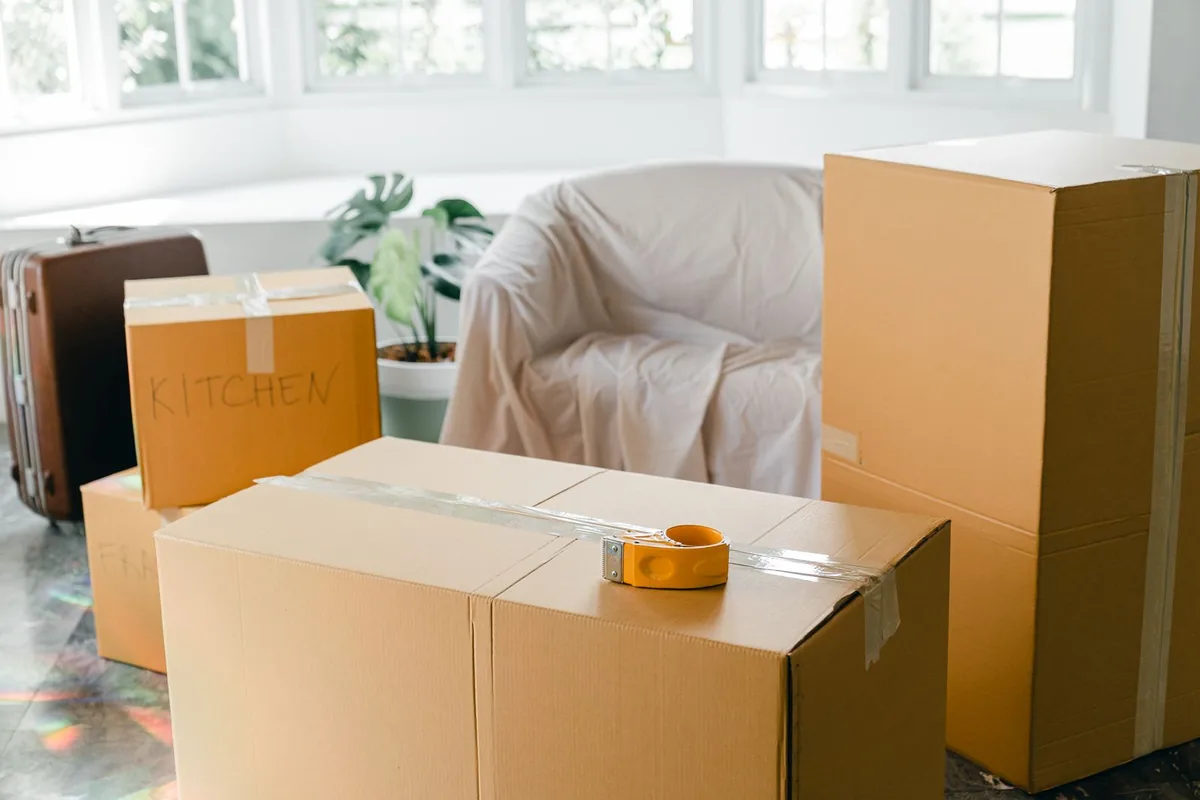
Hoarding cleanup services bring in people and equipment to do what is hard to do alone: protective gear, safe lifting, correct disposal and thorough cleaning. The result is a home that is safer and easier to use.
Not sure how to clean a hoarder house in Ephrata, WA? You can get the lifting and the cleaning done, the plan explained and every question answered for everyone involved. Call Ephrata Biohazard Cleanup Help for help in Grant County.
Many homes in Ephrata, about 64%, date from before 1980. Older floors and trim soak up moisture and odor, so the team checks them closely. Only about 13% of people in Ephrata are sixty-five or older, but hoarding affects households of every age, and cleanup works the same way.
Hoarding Cleanup in Ephrata usually includes:
Before sorting begins, the crew checks for hazards such as sharp objects, pests, mold and unstable piles. Protective gear is chosen to match.
Papers, photos, medicine, jewelry and keepsakes are gathered and kept safe. The resident can name anything that must not be moved.
The team works from the highest-risk areas outward. Each cleared space is cleaned before moving on.
Surfaces are cleaned, disinfected and treated for odor. The team talks through upkeep, repairs and support for what comes next.
Hoarding cleanup in Ephrata, WA typically costs $500 to $25,000, depending on the size of the affected area and the materials involved.
Disposal and hauling fees, dumpster use and donation runs are part of the total. Ask the cleanup team to say what is included and what is not.
| Type of job | Typical range |
|---|---|
| Level 3 | $2,000 - $5,000 |
| Level 1, light | $500 - $1,500 |
| Level 4 | $5,000 - $15,000 |
| Level 5, severe | $10,000 - $25,000+ |
Figures are planning ranges from Dropcurb, Lifecycle Transitions, not a price for any specific Ephrata property. Price drivers include level of accumulation, home size, whether exits and rooms are blocked, pests or animal waste. Call (877) 812-4220 any hour.
Yes. The resident decides what stays, what is donated and what is removed. Valuables, documents, photos and medicine are set aside first, and nothing leaves the home without agreement.
Usable items go to donation or recycling where possible. Spoiled, damaged or unsafe items are disposed of correctly, and waste that may carry germs is handled as regulated medical waste.
Usually not for the buildup itself, since many policies exclude long-term conditions. A policy may help with a specific event such as a fire, a leak or a sewage backup. Read the policy, call the insurer before work starts, take photos and keep receipts.
The price depends on the size of the home, the level of buildup, hazards such as pests or mold, disposal, stairs and the pace chosen. The cleanup team sets a price after seeing the home. Be careful with any quote given sight unseen.
Often a lease or local housing or fire rules allow a landlord to set a deadline for safety. A tenant rights group, a code office or an attorney can explain what applies. A cleanup team can often work toward a deadline.
There is no single age. Hoarding behaviors can begin early in life and often become more noticeable over time, so many families only seek help later. A doctor can speak to an individual situation.
Call and ask how valuables, papers and keepsakes are kept safe.
Call (877) 812-4220